
26 Halloween Marketing Ideas for 2026 + Small-Business Tips
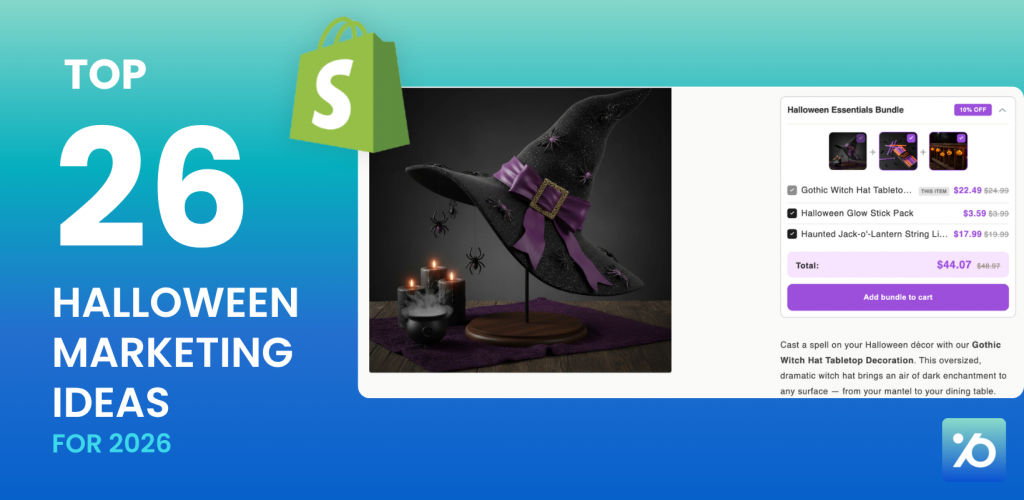
Halloween marketing ideas can help ecommerce brands and small shops reach customers before October 31. In 2025, US Halloween spending was projected to hit $13.1 billion, and nearly half of shoppers started buying in September or earlier. That means brands should not wait until Halloween week to launch campaigns. From themed bundles and email offers to social contests, paid ads, storefront displays, and local events, this guide shares practical ideas to help merchants plan seasonal campaigns that fit their budget.
Why Halloween Marketing Is Worth Your Attention
Halloween gives merchants three useful things: seasonal demand, strong visual appeal, and a clear reason to run a campaign.
Consumers are already in a shopping mindset during this season. They buy costumes, candy, decorations, party supplies, beauty products, pet items, food, drinks, gifts, and home goods. Even businesses that do not sell Halloween products can still join the season with useful content, local events, themed offers, or playful brand moments.
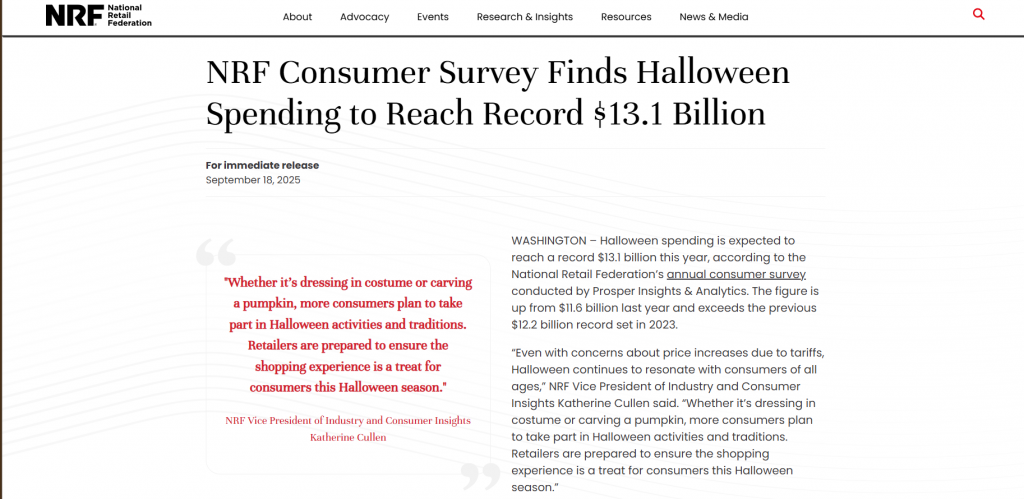
The National Retail Federation projected US Halloween spending at $13.1 billion in 2025. That included $4.3 billion for costumes, $4.2 billion for decorations, $3.9 billion for candy, and $700 million for greeting cards. Those numbers show that Halloween is not a small niche holiday. It affects many types of shopping behavior.
Halloween is also strong for attention. The season gives brands easy creative hooks: costumes, colors, mystery, limited-time products, countdowns, parties, candy, pumpkins, and playful fear. These themes work well across social media, email, product pages, paid ads, and in-store displays.
For small businesses, Halloween can be especially useful because it does not always require a new product. A coffee shop can rename existing drinks for one week. A salon can promote Halloween nail art or party makeup. A pet shop can host a pet costume contest. A realtor can publish a local trick-or-treat guide. A Shopify merchant can bundle existing products into a “Halloween party kit” or “spooky self-care set.”
The best Halloween campaigns usually do not force the holiday onto the brand. They take something the brand already owns and give it a seasonal twist.
When Should You Start Halloween Marketing?
Start earlier than you think.
Many shoppers now plan Halloween before October. NRF found that 49% of consumers began Halloween shopping in September or earlier – up from 47% the year before. Mars’ 2026 Tricks, Treats and Trends report found 57% of US adults now say Halloween is a full season rather than a single day.
For merchants, this changes the campaign timeline. The final week of October should not be the start of the campaign. It should be the final push.
A simple Halloween marketing calendar can look like this:
- July to August: Research trends, plan offers, prepare product photos, build landing pages, and contact creators or partners.
- Late August to September: Publish Halloween content, tease products, prepare email flows, and start building awareness.
- Early October: Launch the main campaign across email, social media, paid ads, product pages, and in-store materials.
- Mid October: Retarget interested shoppers, promote bundles, push best-performing content, and remind customers about shipping deadlines.
- October 25 to 31: Run final countdowns, flash sales, local events, last-chance emails, and same-day offers.
- After Halloween: Move new customers into Black Friday, holiday, or repeat-purchase campaigns.
This timeline matters because seasonal campaigns need time to build attention. A Halloween landing page also needs time to get indexed. Social campaigns need time for people to enter, share, and talk about them. Email campaigns work better when they include a teaser, a main offer, and a final reminder.
26 Halloween Marketing Ideas for 2026
Social media is one of the easiest places to start Halloween marketing. It works well because Halloween is visual, playful, and easy for customers to join.
1. Run a Halloween UGC contest
A user-generated content contest asks customers to create and share content for your brand.
For Halloween, this could be a costume contest, pet costume contest, pumpkin decorating contest, room décor contest, or product styling challenge. Ask customers to post with a branded hashtag and tag your account.
Example:
“Show us your best Halloween look using #BrandBoo for a chance to win a $100 gift card.”
This idea works because customers become part of the campaign. It also gives your brand more content to repost during the season.
2. Create a Halloween countdown series
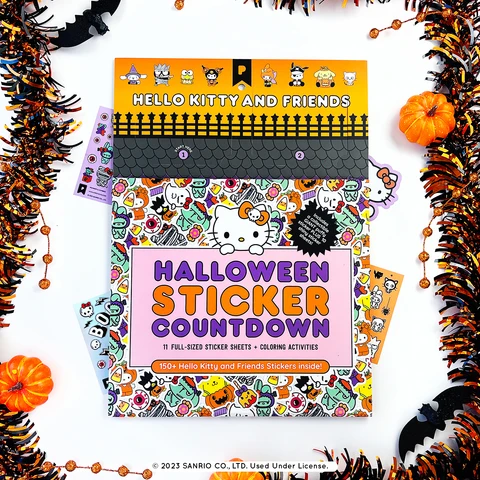
A countdown makes your campaign feel active without needing a big idea every day.
You can run “13 Days of Halloween” or “7 Days of Treats.” Each post can feature one product, tip, behind-the-scenes clip, offer, staff costume, customer photo, or quick tutorial.
For ecommerce stores, each day can highlight one product bundle or limited-time deal. For local shops, each day can promote a menu item, event, service, or in-store surprise.
💡Try to Create your countdown timer with Pareto free tool
3. Post short-form Halloween videos
Halloween is perfect for Reels, TikToks, and YouTube Shorts.
Use simple formats:
- Before-and-after transformations
- Product styling videos
- “Pack an order with me” Halloween edition
- Costume ideas using your products
- Haunted store or office tour
- Quick Halloween hacks
- Staff costume reveals
A beauty brand can show a Halloween makeup look. A bakery can show a spooky cupcake decorating process. A home décor shop can show a plain table turning into a Halloween party setup.
The video does not need to look like a TV ad. It needs a clear idea and a fast hook.
4. Use polls and quizzes
Polls and quizzes are easy ways to get people to interact.
You can ask:
- “Which Halloween bundle would you pick?”
- “Pumpkin spice or caramel apple?”
- “Cute Halloween or scary Halloween?”
- “Which costume matches your shopping style?”
- “Pick a door: trick, treat, or mystery deal?”
For ecommerce, you can connect quiz results to product recommendations. For example, a skincare brand can create a “Which Halloween party skin prep routine fits you?” quiz and send shoppers to matching products.
5. Turn customer reviews into Halloween posts
If you already have strong reviews, reuse them with a seasonal design.
Examples:
- “Scarily good reviews”
- “Customers are screaming about this”
- “No tricks, just 5-star treats”
- “A deal so good it’s frightening”
This is a simple way to create trust-based content without inventing a new campaign. Use real reviews and avoid changing the customer’s meaning.
6. Share behind-the-scenes Halloween content
People enjoy seeing the humans behind a brand.
Show your team decorating the store, packing Halloween orders, choosing costumes, building a display, or preparing for an event. This works especially well for small businesses because it feels personal without needing a large production budget.
A local bakery can show the first batch of Halloween cookies coming out of the oven. A boutique can show the team building a spooky window display. A Shopify merchant can show Halloween bundles being packed with themed inserts.
7. Send a three-part Halloween email sequence
A single email can work, but a short sequence is better.
Use this structure:
Email 1: Teaser
Announce that something seasonal is coming. Show a product preview, event date, or mystery offer.
Email 2: Main offer
Launch the deal, bundle, event, or limited product.
Email 3: Last chance
Remind customers before the offer ends.
Example subject lines:
- “A spooky little treat is coming”
- “Your Halloween deal is here”
- “Last chance: this treat disappears tonight”
Keep the emails short. Make the offer clear. Add one main call to action.
8. Create a mystery “trick or treat” offer
A mystery offer adds fun to a normal discount.
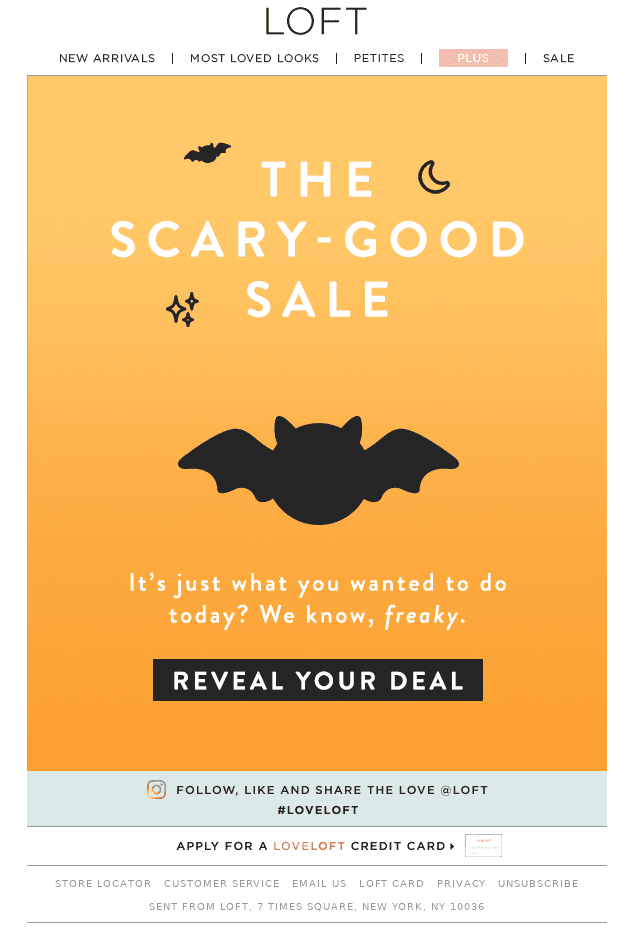
Let customers click to reveal one of several offers:
- 10% off
- 15% off
- Free shipping
- Free gift
- Buy more, save more
For Shopify merchants, this can work well with discount codes, popups, or email segmentation. The key is to keep the offer easy to understand. Customers should know how to use it without reading a long set of rules.
9. Offer VIP early access
Give your best customers the first chance to shop Halloween products, bundles, or discounts.
This works well if you have limited stock or seasonal packaging. You can send early access to loyalty members, past buyers, email subscribers, or high-value customers.
Example:
“VIP treat: shop our Halloween bundle 24 hours before everyone else.”
This makes loyal customers feel valued and helps you test demand before opening the offer to a wider audience.
10. Build a Halloween landing page
A landing page gives your campaign one clear home.
It can include:
- Featured Halloween products
- Bundles
- Discount details
- Event information
- FAQs
- Shipping deadlines
- Email signup
- Social contest rules
For SEO, use an evergreen URL when possible. A simple URL like /halloween/ or /halloween-marketing-ideas/ is easier to update each year than a URL with a year in it.
For ecommerce stores, the landing page should not just look seasonal. It should help shoppers decide what to buy.
11. Publish useful Halloween content
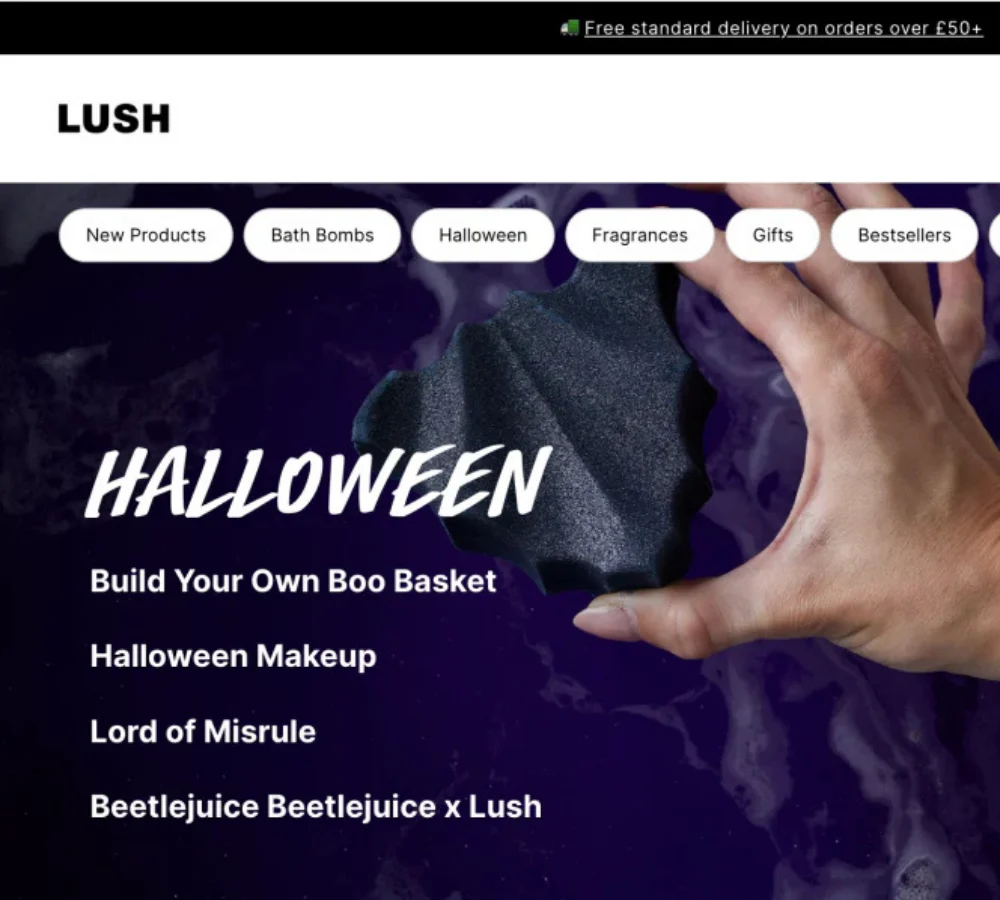
Not every Halloween campaign needs to sell directly.
You can publish content that helps your customers solve seasonal problems. This works especially well for service businesses and local businesses.
Examples:
- Pet shop: “Halloween Safety Tips for Dogs and Cats”
- Realtor: “Best Neighborhoods for Trick-or-Treating in [City]”
- Salon: “Easy Halloween Makeup Ideas for Last-Minute Parties”
- Home store: “How to Decorate a Small Apartment for Halloween”
- Bakery: “Halloween Party Dessert Checklist”
This type of content can bring search traffic, build trust, and support sales without feeling forced.
12. Run high-intent Google Search ads
Search ads work best when people already know what they want.
Instead of broad Halloween keywords, use terms with buying intent:
- “Halloween cupcakes near me”
- “Halloween costume sale”
- “Halloween decorations delivery”
- “Halloween party supplies”
- “Halloween makeup appointment”
- “Halloween gift basket”
Use promotion assets when available so shoppers can see the offer directly in the ad.
This idea is stronger for merchants with clear seasonal products, local services, or urgent purchase intent.
13. Retarget Halloween visitors
Many shoppers will visit your Halloween page without buying on the first visit.
Create retargeting audiences from:
- Halloween landing page visitors
- Product page visitors
- Cart abandoners
- Email clickers
- Video viewers
- Social contest participants
Then show them final-week ads with a clear deadline.
Example:
“Last chance: Halloween bundles ship today.”
Retargeting works best when the message matches the shopper’s behavior. A visitor who viewed a bundle should see that bundle again, not a generic brand ad.
14. Use local paid social ads
Local businesses can use paid social without a huge budget.
Target a small radius around your shop and promote one clear offer, such as:
- Costume discount
- Halloween event
- Limited menu item
- Free treat with purchase
- Photo booth
- Kids’ activity
- Pet costume day
Keep the creative simple. Show the product, the date, the location, and the reason to visit.
15. Create a limited-time Halloween bundle
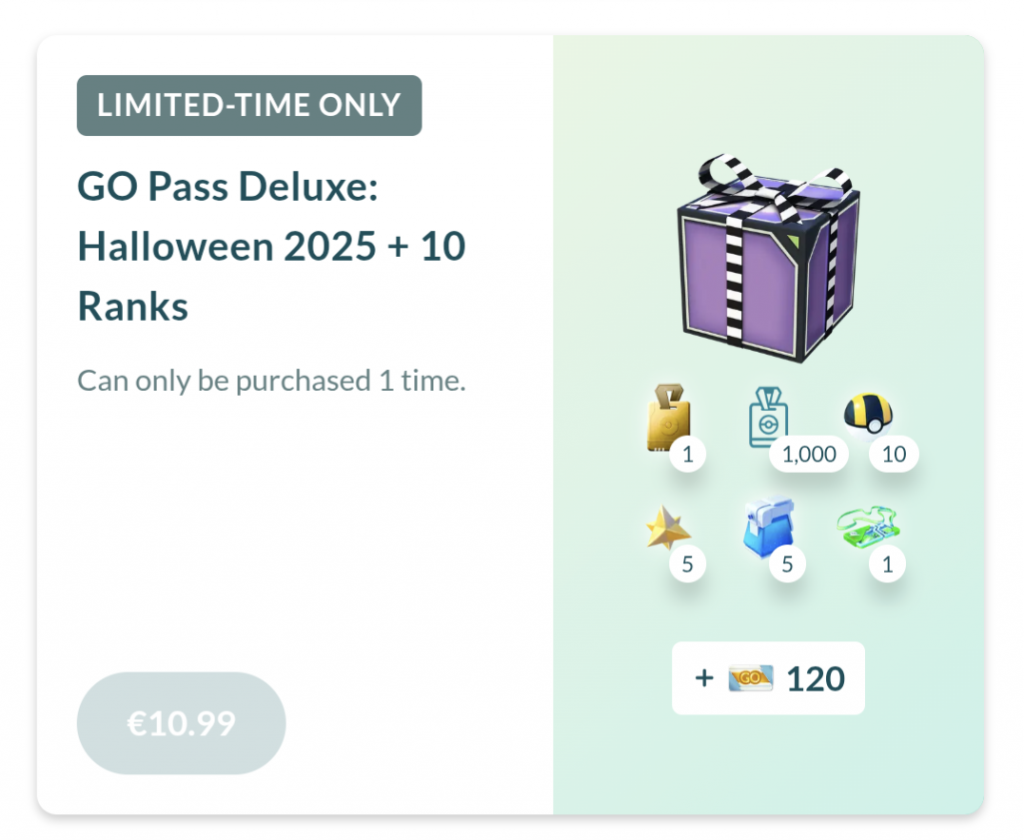
Bundle products that already make sense together.
Examples:
- Party snack bundle
- Halloween self-care kit
- Pet costume photo kit
- Pumpkin spice gift set
- Spooky movie night bundle
- Trick-or-treat candy pack
- Halloween makeup starter kit
For Shopify merchants, a bundle can be more effective than a simple discount. It helps customers decide faster and can increase the value of each order.
If you use a promotion app, you can set up bundle discounts, BOGO offers, quantity discounts, or free gifts. Pareto Quantity Breaks & BOGO, for example, is positioned as a Shopify promotion and AOV app that helps merchants create quantity discounts, bundles, BOGO offers, free gifts, and upsells to encourage larger orders.
16. Run a BOGO or “Buy X Get Y” offer
BOGO offers are easy for shoppers to understand.
Examples:
- Buy 2 candles, get 1 mini candle free
- Buy 3 Halloween cookies, get 1 free
- Buy a costume, get 50% off accessories
- Buy a party kit, get a free treat bag
The offer should match real customer behavior. If people usually buy one item, use the offer to encourage two or three. If they already buy several items, use the offer to push a higher cart value.
17. Add a free gift with purchase
A free gift can feel more exciting than a small discount.
Examples:
- Free Halloween sticker pack over $40
- Free mini candle over $60
- Free candy bag with any in-store purchase
- Free spooky charm with every jewelry order
- Free sample with every skincare bundle
This works best when the gift is low-cost but feels seasonal and special.
18. Launch limited-edition packaging
You do not always need to change the product. Sometimes the packaging is enough.
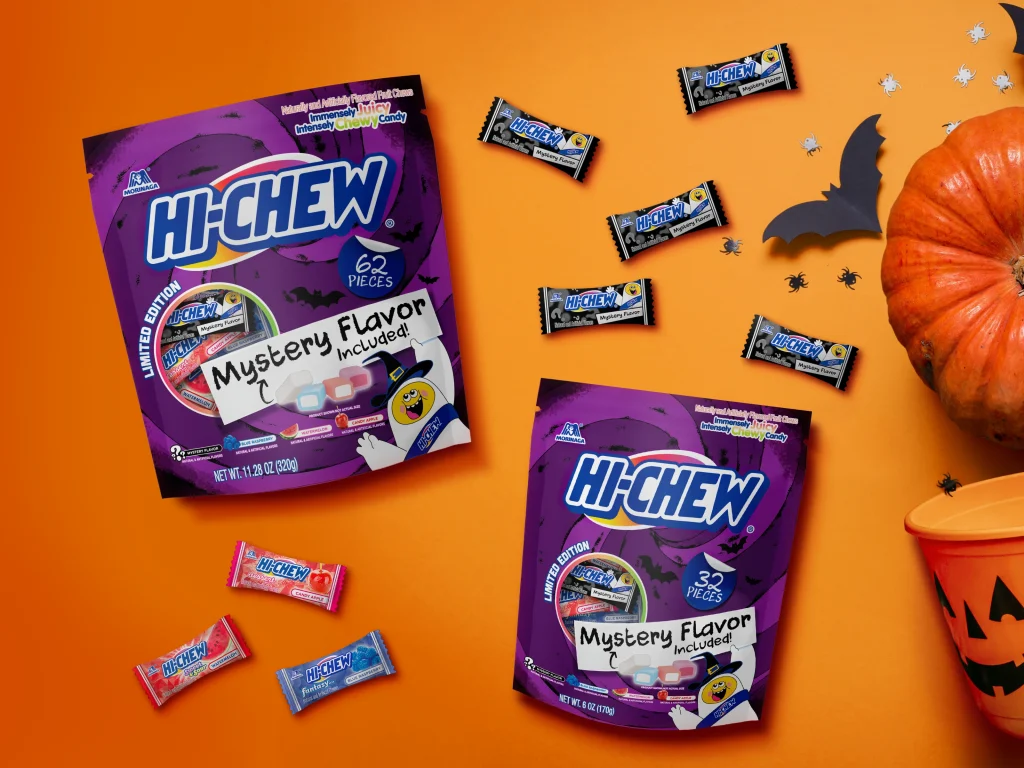
A food brand can use Halloween labels. A candle brand can rename scents. A skincare brand can add a seasonal sleeve. A coffee shop can use Halloween cups. A subscription box can include a themed insert.
Heinz is a strong example of this idea. The brand turned ketchup into “Tomato Blood,” which made an everyday product feel made for Halloween.
Best for: product-led brands and giftable products
Budget: $250 to $5,000+
Track: sell-through, social mentions, product page conversion, PR mentions
19. Add a post-purchase Halloween insert
A small insert can help turn Halloween buyers into November buyers.
Example:
“No tricks. Here’s 15% off your next order before November 15.”
This is simple, cheap, and useful. Add the insert to ecommerce packages or shopping bags. Use a unique code so you can track repeat orders.
20. Decorate your storefront or window
A good Halloween display can stop people on the street and make them want to take a photo.
Feature your hero products in the display. Add a QR code that links to a seasonal offer, event page, or Instagram profile.
For a small shop, the display does not need to be expensive. A strong color theme, good lighting, and one clear product focus can work better than too many props.
21. Offer a costume-day incentive
Reward customers who visit in costume.
Examples:
- 10% off for customers in costume
- Free topping or add-on
- Bonus loyalty points
- Free photo booth print
- Free candy bag with purchase
Chipotle’s Boorito campaign shows why this idea works. It gives customers a reason to show up, dress up, and talk about the brand.
22. Set up a Halloween photo booth
A photo booth turns your shop into a shareable moment.
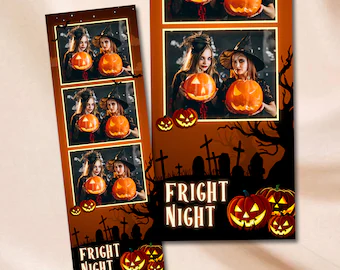
Use a simple backdrop, props, good lighting, and a sign with your hashtag. Add a QR code to your offer or social page.
This works well for families, students, pet owners, and Gen Z shoppers. It also gives customers a reason to stay longer in your store.
23. Host a Halloween workshop or event
Events work well when they match your business.
Examples:
- Bakery: cookie decorating class
- Salon: Halloween makeup mini-class
- Pet store: pet costume parade
- Bookstore: spooky story night
- Home store: pumpkin centerpiece workshop
- Gym: costume workout class
- Restaurant: Halloween tasting menu
Charge a small fee, offer limited spots, or connect the event to a product bundle.
24. Partner with another business
Partnerships help small businesses reach new audiences without paying for large ads.
Good pairings include:
- Bakery + coffee shop
- Salon + costume store
- Pet store + photographer
- Realtor + café
- Gym + smoothie bar
- Boutique + jewelry brand
Create one shared offer and promote it through both businesses.
Example:
“Visit both shops this weekend and collect two stamps for a Halloween treat.”
25. Join or sponsor a community event
Look for local trunk-or-treat events, school fairs, festivals, charity runs, or neighborhood Halloween nights.
You can sponsor candy, provide branded bags, offer a kids’ activity, or give out discount cards. This works especially well for family-focused businesses.
The goal is not only immediate sales. It is also local visibility and trust.
26. Run a Halloween charity drive
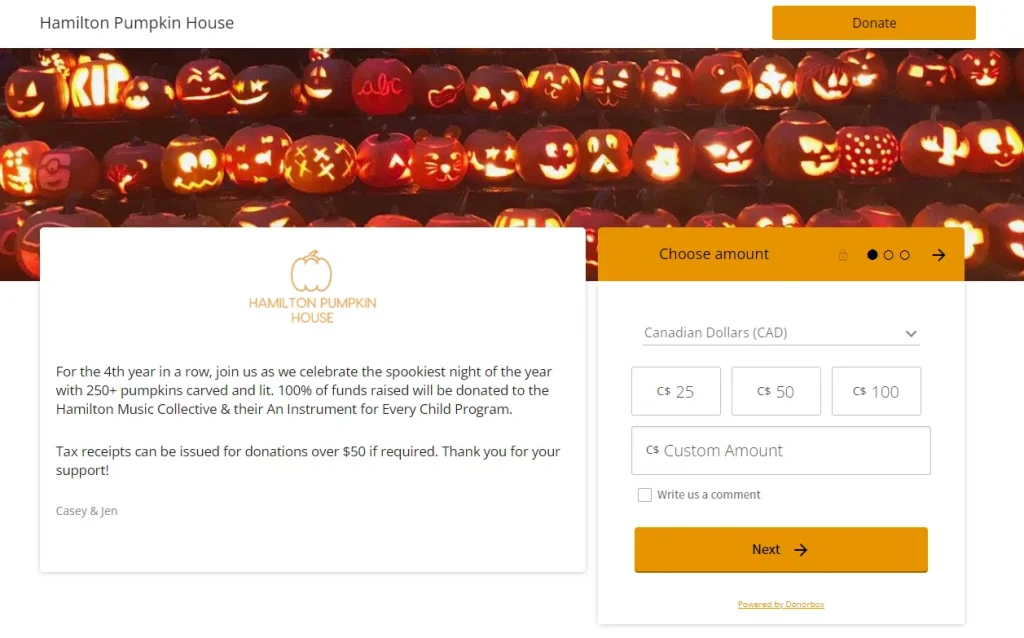
A charity campaign gives the holiday a community purpose.
Examples:
- Collect costumes for families in need
- Donate a share of Halloween sales
- Run a pet-food drive
- Collect canned goods at a Halloween event
- Support an accessible trick-or-treat program
Keep the message clear. Tell customers what you are collecting, where it goes, and how they can join.
Halloween Marketing Ideas for Small Businesses on a Budget
The best Halloween marketing ideas for small businesses often use what the business already has: an email list, a storefront, a few products, a loyal customer base, or a local community.
You do not need a large campaign. You need one clear hook.
$0 to $50 ideas
Use this range when you have almost no budget.
You can:
- Change your social media banner and bio for Halloween
- Send a themed email to existing customers
- Post customer reviews with Halloween copy
- Rename existing products for one week
- Film a team costume video
- Add a Halloween banner to your shop
- Create a simple referral code
- Publish a local Halloween guide
These ideas work because they use channels you already own.
$50 to $250 ideas
Use this range when you can spend a little on prizes, props, or local promotion.
You can:
- Run a small UGC contest
- Decorate your storefront
- Create branded treat bags
- Add a photo booth corner
- Seed products to a few local creators
- Print flyers with QR codes
- Add seasonal package inserts
This tier is strong for local shops and small ecommerce stores.
$250 to $1,000 ideas
Use this range when Halloween is a real seasonal sales opportunity for your business.
You can:
- Run local paid ads
- Host a workshop or event
- Build a better landing page
- Produce short-form video content
- Create limited packaging
- Partner with creators
- Launch a seasonal bundle campaign
The key is to choose one goal first. If the goal is sales, focus on email, bundles, and retargeting. If the goal is foot traffic, focus on events, local ads, and in-store incentives. If the goal is awareness, focus on UGC, creators, and short videos.
Turn Your Halloween Promotion Ideas Into Real Offers With Pareto
Coming up with Halloween marketing ideas is only the first step. The next step is turning those ideas into offers that shoppers can understand and act on.
For Shopify merchants, this is where Pareto can help. Instead of running a plain discount code, merchants can use Pareto Quantity Breaks & BOGO to build Halloween offers that encourage shoppers to buy more, such as quantity discounts, product bundles, BOGO deals, free gifts, cart discounts, upsells, and cross-sells. Pareto is positioned as a Shopify promotion and AOV optimization app, not just a basic quantity discount tool.
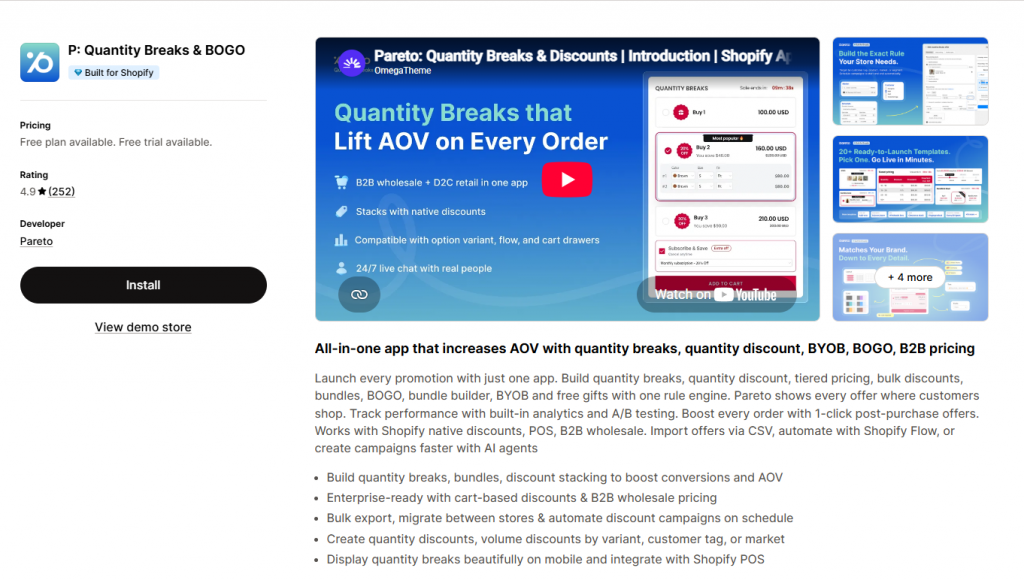
For example, a Halloween campaign can become:
- Schedule your Halloween offer in September and let it go live automatically in October
- Add a countdown timer to your collection page, homepage, or sale page for the final-week flash sale
- Use Halloween-themed badges and widget backgrounds to make seasonal offers stand out
- Highlight limited-time deals with holiday accents like “Halloween Treat,” “Spooky Deal,” or “Ends Tonight”
- Buy 3 spooky candles, get 10% off
- Buy 2 costumes, get 1 accessory free
- Spend $60, get a free Halloween sticker pack
- Build your own Halloween party bundle
- Add 2 more items to unlock a bigger discount
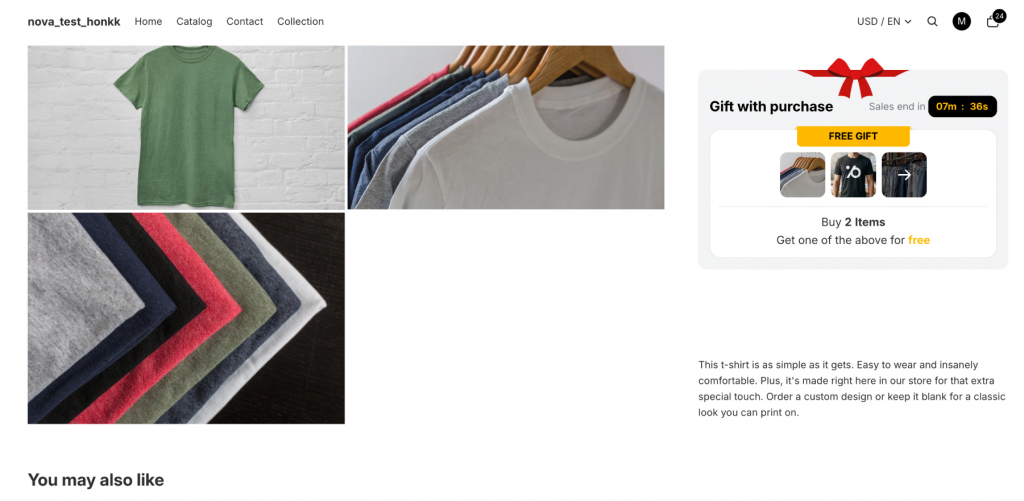
These offers fit the way customers already shop during Halloween. Many people buy for parties, families, groups, trick-or-treat events, or seasonal gifts. A bundle or BOGO offer gives them a clear reason to add more items to the cart.
Pareto can also help merchants show the offer clearly on the storefront. Its promotion widgets and cart messages can tell shoppers what they need to do next, such as “Add 2 more items to unlock 15% off.” That matters because a good Halloween offer should not stay hidden until checkout. Customers should see the value while they are still deciding what to buy.
If your Halloween goal is to increase average order value, start with one simple offer. Create a themed bundle, add a free gift threshold, or set a Buy X Get Y deal. Then use Pareto to make the promotion visible, easy to understand, and simple to redeem.
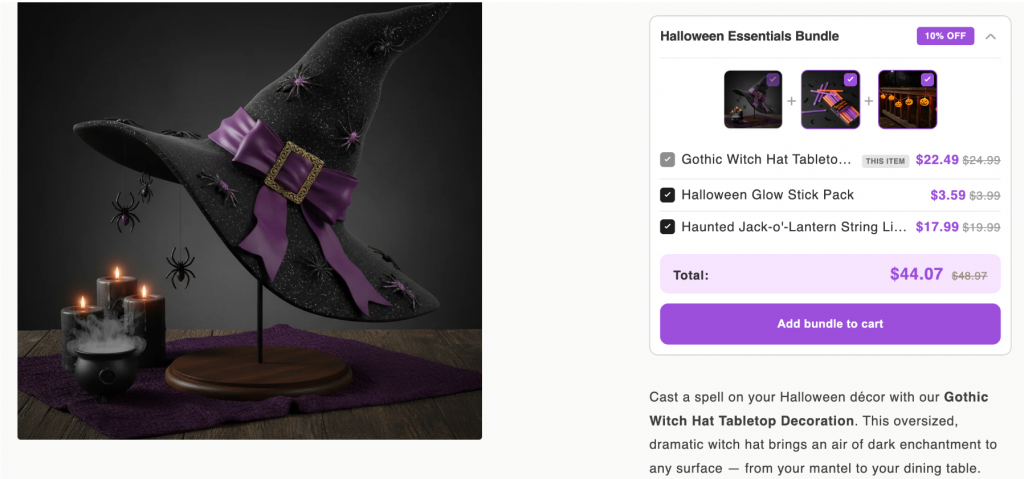
This works especially well for Halloween decor, party supplies, costumes, accessories, and craft items. Shoppers may want to buy products that match the same theme, such as skeleton decorations, pumpkin items, carving tools, candles, tableware, or party add-ons. Since many decor items have a low retail price, merchants often need customers to buy several items together to improve AOV and make each order more efficient to fulfill.
Pareto can help merchants make these offers clear and easy to redeem. You can show related products as frequently bought together, suggest add-ons before checkout, or encourage customers to unlock a better deal when they buy more items in one order. Pareto also supports shipping discount offers when customers purchase bundled products together, useful for merchants who want to increase basket size while giving shoppers a practical reason to complete the order.
Conclusion
Halloween gives merchants a clear chance to get attention, drive sales, and build stronger customer relationships before the holiday season. The best approach is simple: choose one business goal, match it with the right Halloween hook, and promote it through a few strong channels. You do not need all 26 ideas. You need the right idea for your shop, your customers, and your budget. Use these Halloween marketing ideas as a menu. Pick what fits, keep the campaign clear, and make every spooky detail serve a real business purpose.