
Mixed Bundling: How Shopify Merchants Can Boost Sales and Keep Customers Happy
73% of shoppers say they’d buy more if offered a good bundle deal. But what happens when they only want one item? With pure bundling, they leave. With mixed bundling, they stay and shop. This strategy gives customers the freedom to buy individually or save with a package – no pressure, just options. Glossier, Sephora, and Nordstrom all use it to increase order values while keeping customers happy. Ready to do the same? Keep reading for real examples and a simple Shopify setup guide.
What is Mixed Bundling?
Mixed bundling is an option that lets customers buy products both separately and together as a package deal. Unlike other bundling types where customers must buy everything together, a mixed bundle gives shoppers choices. They can pick individual items at regular prices or grab the bundle at a discount.
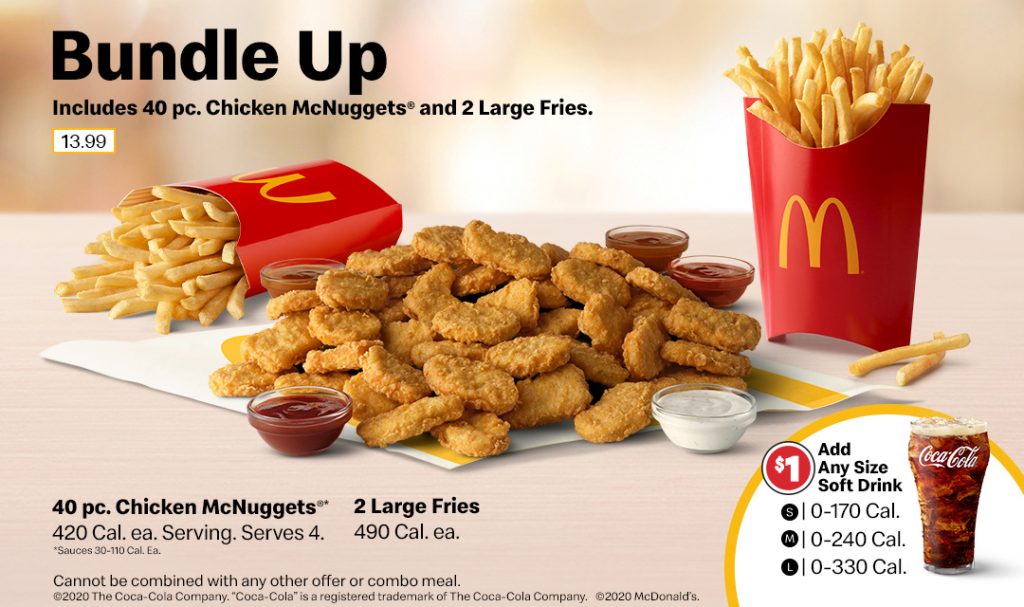
Think about McDonald’s combo meals. Customers can order a burger, fries, and a drink separately if they want. Or they can get the combo meal for less money than buying each item alone. That’s a mixed bundle in action.
For Shopify store owners, a mixed bundle works because it makes everyone happy. Deal-hunters get their savings. Customers who only need one item can still buy it. Nobody feels forced into purchasing things they don’t want.
The strategy works because of simple psychology. When people see that they can save money by buying more items, many will choose the bundle. But the option to buy separately keeps customers who might otherwise leave your store.
Pure Bundling and Mixed Bundling: What Is The Difference?
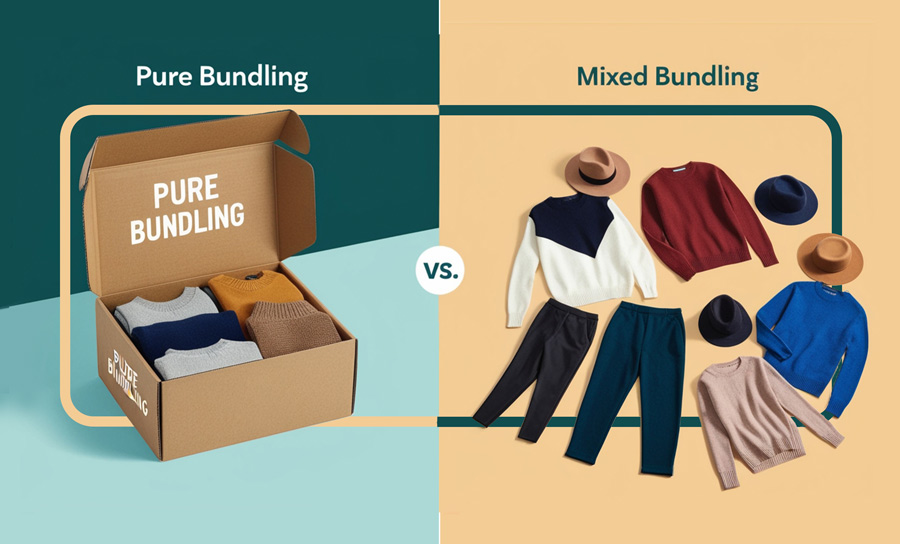
When we talk about product bundling, there are two main types you need to know about:
Pure Bundling means you can only buy the products as a package. There’s no option to purchase items separately. It’s all or nothing. Gaming console bundles often work this way – you get the console, games, and accessories together, but you can’t buy just the console from that specific deal.
The upside? You’re guaranteed to sell all the items in the bundle. The downside? Some customers might walk away if they only want one item but don’t want to pay for the whole package.
Mixed Bundling gives customers choices. They can buy items separately OR get the bundle deal. This is way more flexible. A makeup store might sell lipstick, foundation, and mascara individually at regular prices, but offer all three together at a discount.
Here’s a quick comparison:
| Pure Bundling | Mixed Bundling |
|---|---|
| Only sold together | Available separately AND as a bundle |
| No individual choice | Full customer choice |
| Single bundle price | Individual prices + discounted bundle price |
| Can push slow-moving items | Appeals to more customer types |
| May lose customers who want just one item | Keeps all customers happy |
Mixed bundling usually works better because it doesn’t force anyone’s hand. Customers who want the deal can grab the bundle, while those who need just one item can still shop with you.
Why Mixed Bundling Works for Online Stores
Higher Order Values
Mixed bundling increases how much customers spend per purchase. When shoppers see a good bundle deal, they often buy more than originally planned. Someone looking for a $30 phone case might grab a $45 bundle that includes a screen protector and car mount.
This happens because the bundle feels like better value. Customers think “I’m getting three items for less than they’d cost separately.” That perception drives larger purchases.
Better Conversion Rates
Bundles help turn browsers into buyers. Undecided customers often need just one push to make a purchase. A well-priced bundle can provide that motivation.
The convenience factor matters too. Instead of researching multiple products, customers can solve their needs with one bundle purchase. This simplicity reduces shopping friction and increases sales.
Customers Feel Good About Purchases
Everyone loves feeling smart about their buying decisions. Mixed bundling delivers that satisfaction. Customers walk away knowing they got a good deal while still having control over their choices.
This positive feeling builds loyalty. Happy customers return for future purchases and recommend the store to others.
Moving Slower Products
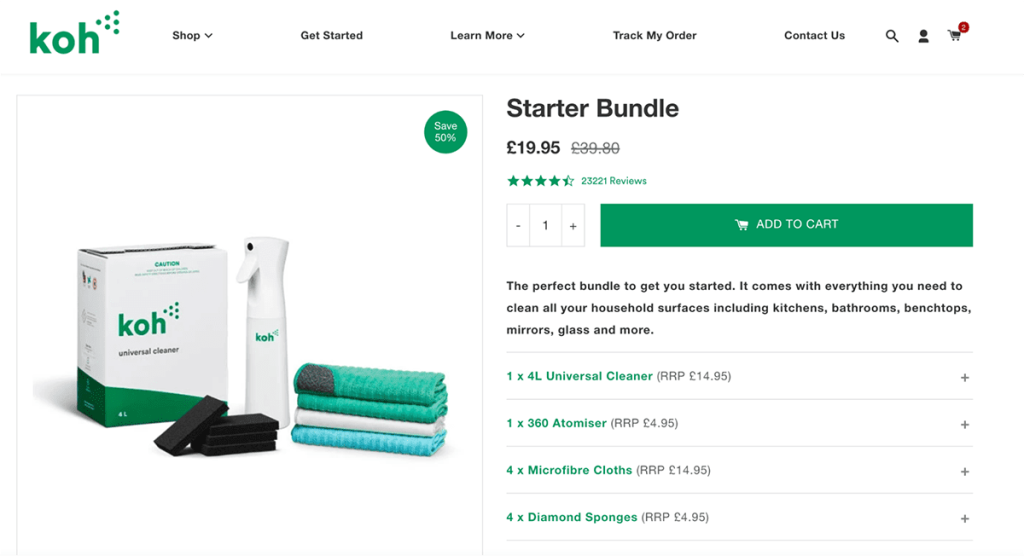
A smart mixed bundle pairs bestsellers with slower-moving inventory. A popular phone case bundled with a lesser-known brand of earbuds can boost sales for both products.
Customers discover items they might never have considered buying alone. The bundle discount makes trying new products feel like a low-risk decision.
Clearer Inventory Management
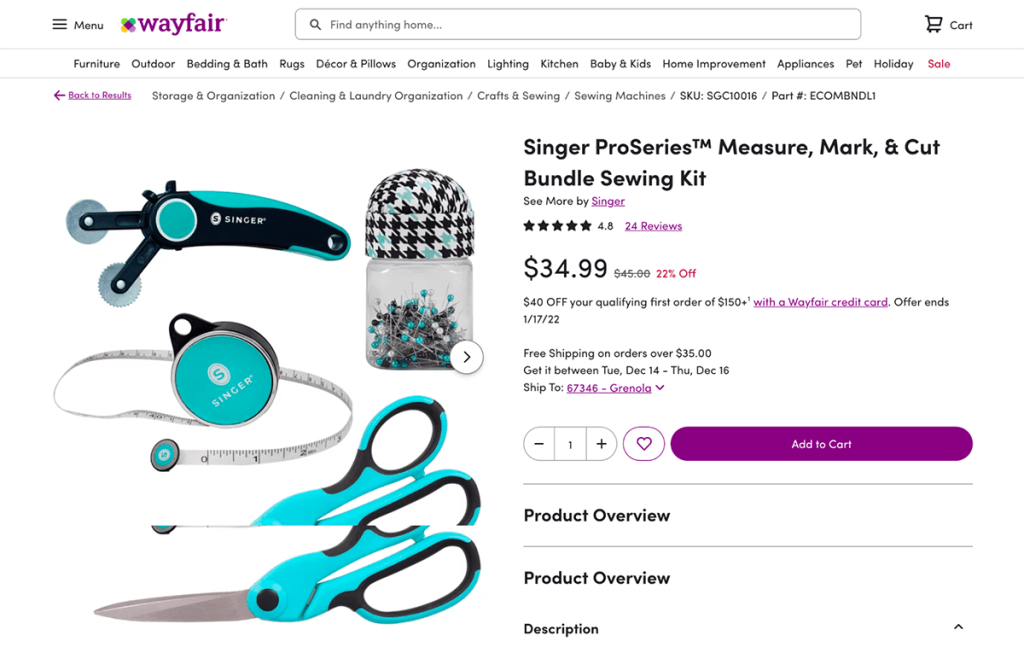
Unlike pure bundling, mixed bundling doesn’t create inventory headaches. If one bundle component runs out of stock, customers can still buy other items separately. Sales continue even when perfect bundle availability isn’t possible.
Common Mixed Bundle Challenges
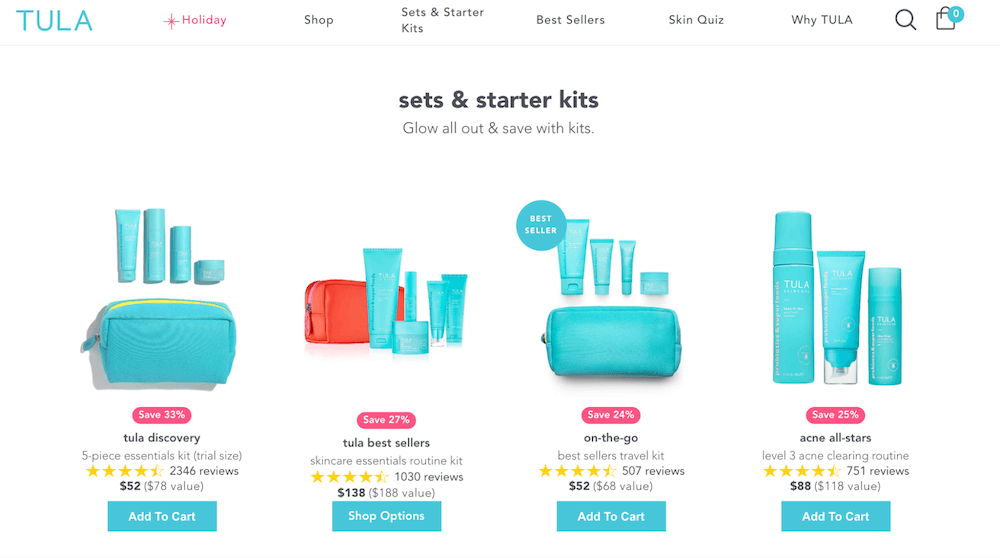
Profit Margin Pressure
Bundle discounts reduce profit per item. A 15% bundle discount means 15% less revenue per product sold. If margins are already thin, heavy discounting can hurt overall profitability.
The solution involves careful math. Calculate the real cost of each product, including shipping, storage, and processing. Make sure bundle pricing still leaves healthy profits even after discounts.
Poor Product Combinations
Random product bundles confuse customers and waste marketing effort. Bundling a phone case with a kitchen timer makes no sense. Customers ignore illogical combinations or question the store’s credibility.
Successful mixed bundling focuses on products that naturally go together. Items that solve related problems or complete specific tasks make the best bundles.
Customer Disappointment
If any bundle item disappoints customers, it can spoil their entire experience. Someone buying a three-item bundle who dislikes one product might regret the whole purchase.
This problem grows worse if customers feel tricked into buying unwanted items. Even with mixed bundle’s flexibility, poor product quality damages trust.
Operational Complexity
Managing multiple products, prices, and inventory levels adds complexity. Stores need systems to track bundle performance, individual product sales, and inventory availability across all options.
Shopify apps can handle most technical challenges, but store owners still need to monitor and adjust bundle offerings regularly.
Real Mixed Bundling Examples
Beauty and Cosmetics
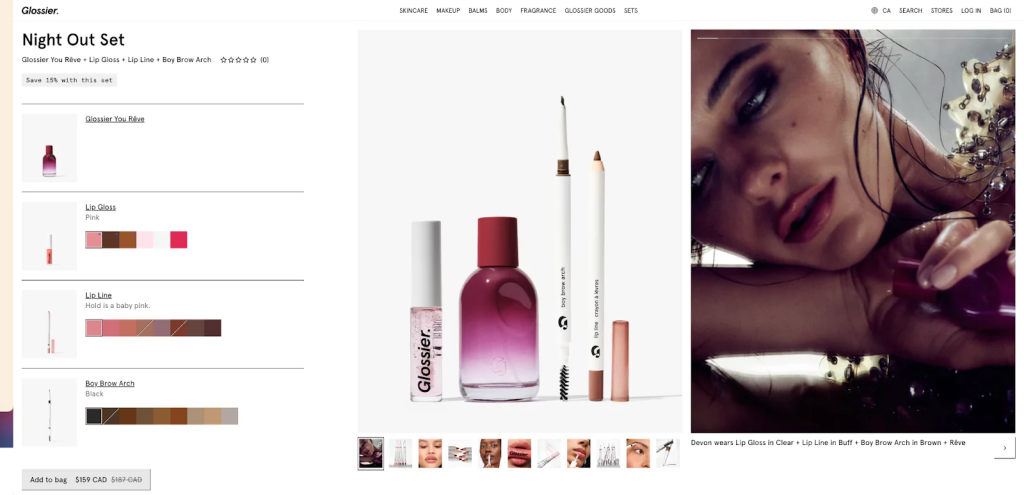
Glossier sells individual makeup products but also creates themed bundles. Their “Night Out Set” bundle combines blush and lip products for evening looks. Customers save money compared to buying items separately while getting a complete makeup solution.
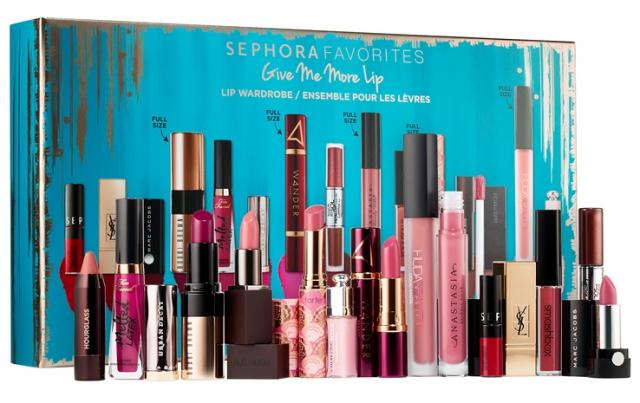
Sephora uses mixed bundling extensively. Each product remains available individually, but the bundle offers both convenience and savings.
Fashion and Apparel
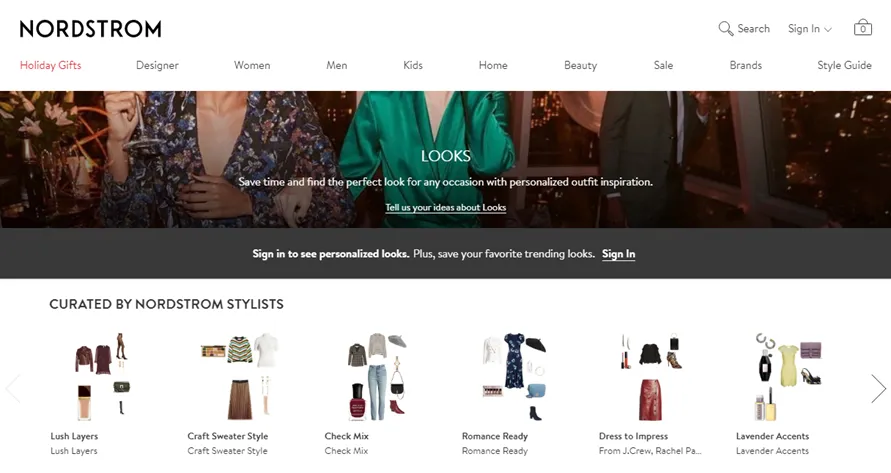
Nordstrom, a clothing retailer, bundles items to create complete outfits. A dress might come with matching accessories like belts, jewelry, or shoes. Customers can buy the dress alone or get the “complete look” bundle for less than the individual item costs.
This approach works especially well for online fashion because it solves a common problem: coordinating pieces. Customers get a professionally styled outfit without guesswork.
Food and Kitchen
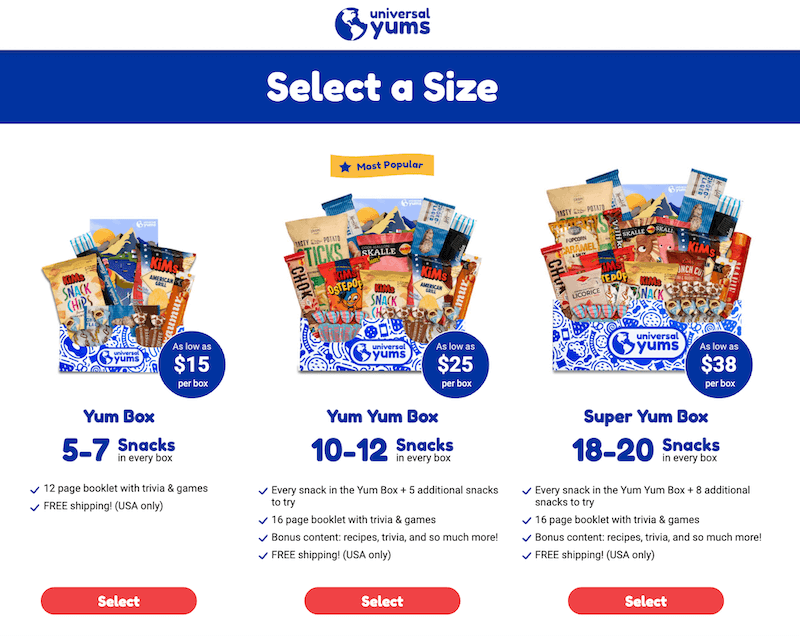
Universal Yums is a great example of mixed bundling done right. Instead of locking you into one option, they let you choose from three snack box sizes – each with a different mix of treats and bonus content. Whether you want just a taste or the full experience, there’s a box for you. It’s a smart way to offer more value while giving customers the freedom to pick what works best for them.
Setting Up Mixed Bundling on Shopify With Pareto
Want to boost your average order value without complicated setups? Mixed bundling is one of the easiest and most effective ways to do it – and with the P: Quantity Breaks & Discounts from Pareto AOV, you can launch bundles in just a few clicks.
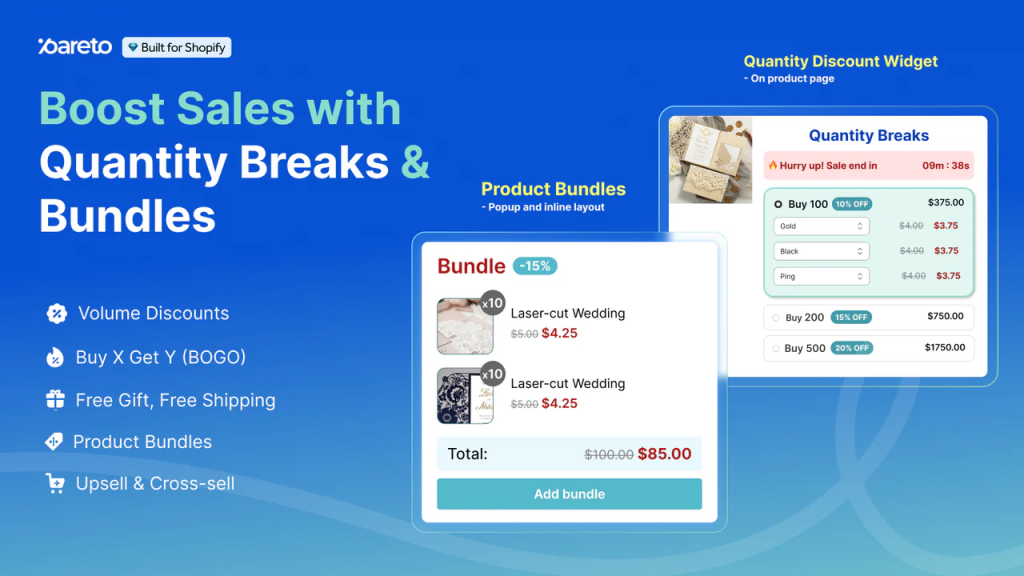
Pareto isn’t just another discount app. It gives you complete control over how bundles work while making it seamless for customers to buy more. Here’s what sets it apart:
✅ Mix & Match Bundles – Let customers choose different products or variants that count toward one deal.
✅ Tiered Discounts – Offer incentives like “Buy 2, get 10% off – Buy 5, get 20% off” to increase cart size naturally.
✅ Flexible Product Selection – Apply bundles to specific products, collections, or even entire categories.
✅ Instant Frontend Display – A smart widget appears directly on your product pages, cart drawer, or checkout – no dev work needed.
✅ Native Shopify Integration – Works with Online Store 2.0, POS, and supports dynamic checkout.
The setup process is surprisingly simple and takes less than 10 minutes from start to finish. Start by getting P: Volume Discount & Bundles from the Shopify App Store here!
Whether you sell skincare, snacks, supplements, or anything with variations, Pareto makes bundling feel effortless, both for you and your customers.
Best Practices for Mixed Bundling Success
Focus on Customer Value
Every bundle should solve a real customer problem or fulfill a specific need. “Starter kits” for beginners, “complete solutions” for projects, and “gift sets” for special occasions all provide clear value.
Avoid creating bundles just to increase sales. Customers recognize genuine value and respond better to bundles that truly help them.
Keep Bundles Simple
Limit bundles to 2-4 items for most product categories. Too many items make bundles expensive and decisions complicated. Customers should quickly understand what they’re getting and why it’s valuable.
Use clear, benefit-focused names for bundles. Customers should immediately understand the bundle’s purpose from its title.
Test Different Approaches
Try various bundle types to see what resonates with customers:
- Complementary product bundles (phone + case + screen protector)
- Quantity bundles (buy 3 for price of 2)
- Themed bundles (holiday collections, seasonal items)
- Experience bundles (everything needed for specific activities)
Different customer segments respond to different bundle types. Testing reveals what works best for your audience.
Communicate Value Clearly
Make bundle savings obvious through clear pricing displays. Show both the bundle price and what customers would pay if buying items separately.
Use simple language to explain bundle benefits. Focus on convenience, savings, and problem-solving rather than complex features.
Stay Flexible
Mixed bundling succeeds because it offers choices. Maintain that flexibility by listening to customer feedback and adjusting bundle offerings accordingly.
If customers consistently request certain product combinations, create those bundles. If existing bundles underperform, analyze why and make improvements.
Conclusion
Mixed bundling isn’t a set-it-and-forget-it strategy. You’ll need to check your numbers regularly and tweak things based on what your customers actually want. Start with products that naturally go together, then see what happens. If something’s not working, change it. If customers love a particular bundle, create more like it. Get yourself the first bundle today with Pareto AOV! Happy selling!