
Volume Discount Pricing: The Ultimate Guide for Every Store Owners
Running a successful Shopify store means constantly looking for ways to boost sales and keep customers happy. One strategy that’s proven to work time and again? Volume discount pricing. Think about it – when you see “Buy 2, get 1 free” or “Save 20% when you order 5 or more,” doesn’t that make you consider grabbing extra items? That’s the magic of volume discounts at work.
This guide breaks down everything you need to know about volume discount pricing. We’ll cover what it is, how it works, and most importantly, how you can use it to grow your Shopify business. Let’s dive in!
What Is Volume Discount?
Volume discount is pretty straightforward – it’s when you offer customers a better price per item when they buy more stuff. The more they purchase, the less they pay for each individual item.
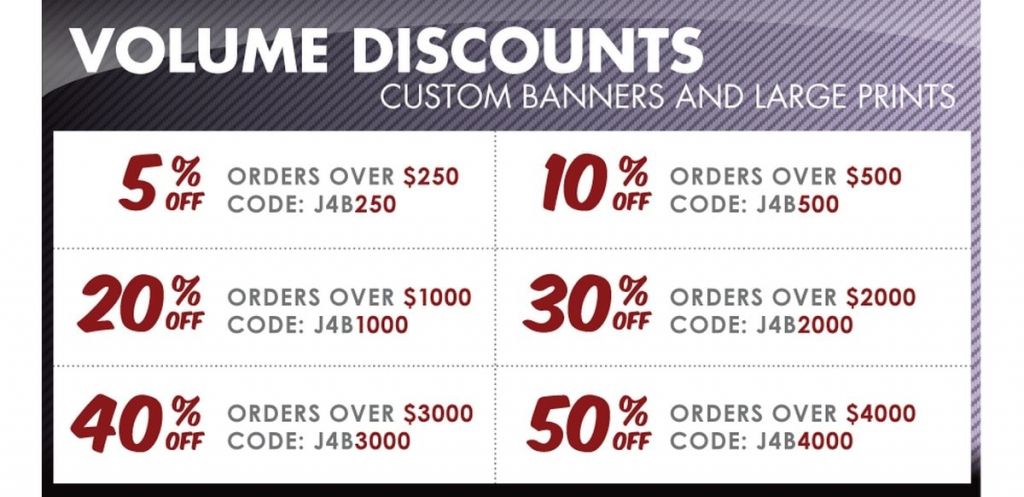
Here’s a simple volume discount example: A coffee shop sells single bags of beans for $15 each. But if you buy 3 bags, they’re $12 each. Buy 5 bags, and the price drops to $10 each. That’s volume pricing in action.
The volume discount definition boils down to this: a pricing strategy that rewards customers for making larger purchases by reducing the cost per unit. It’s also called bulk pricing, quantity discounts, or discounts for bulk orders – they all mean the same thing.
Why do businesses love this approach? Because it gets customers to spend more money in a single transaction. Instead of buying one item for $15, that coffee customer might grab three for $36. The business moves more inventory and increases their average order value.
For customers, volume discounts feel like getting a deal. Even though they’re spending more overall, they’re saving money per item. It’s a win-win situation that makes everyone happy.
Understanding the Psychology Behind Volume Discounts
Volume discounts work because of how people think-not just how they calculate.
We love feeling smart about purchases. When customers see “Buy 3, save 20%,” their brain says “good deal.” Even though they’re spending more money, they feel like winners. That feeling matters more than the actual math.
Regular savings build loyalty. People who buy everyday items-coffee, skincare, office supplies–love knowing they’ll pay less when they stock up. It keeps them coming back instead of shopping around.
Fear of missing out is real. Limited-time volume deals trigger urgency. “This price ends Sunday” pushes people to act now rather than wait. Nobody wants to miss a good deal.
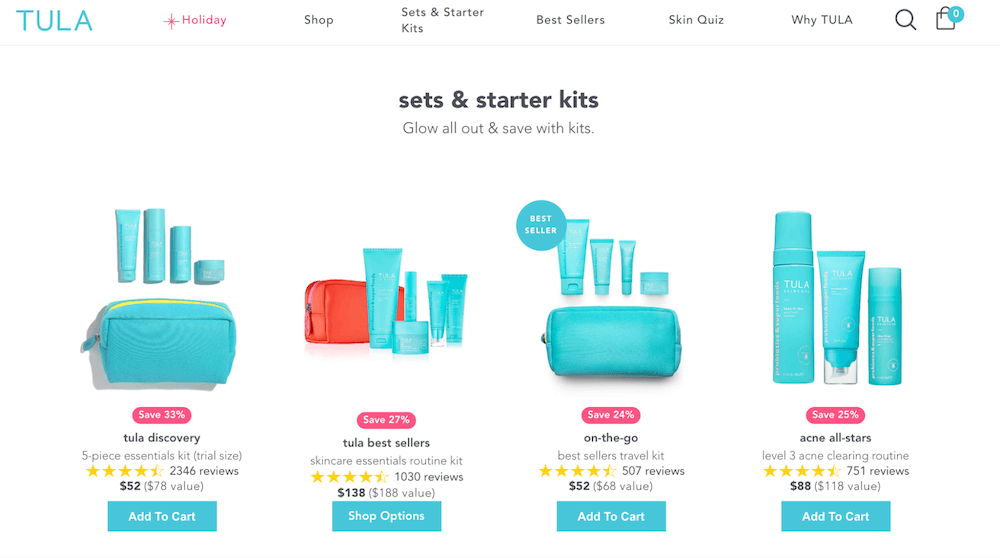
Bundles feel like shortcuts. Instead of choosing five separate items, customers grab one bundle and feel like they saved time and money. Less thinking, more buying.
Volume discounts don’t just save customers money-they make customers feel good. And people buy more from stores that make them feel good.
Models of Volume Discount Pricing
Now let’s dive into the different ways you can structure your volume pricing strategy. Each model has its strengths, so pick the one that fits your products and customers best.
The Simple Threshold Discount Model
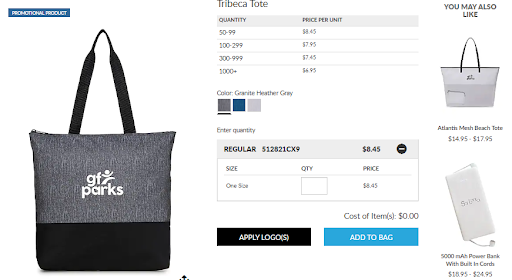
This is the easiest volume discount pricing formula to understand. Set quantity breakpoints, and when customers hit those numbers, they get a better price on everything.
Here’s how it might look:
- 1-4 items: $20 each
- 5-9 items: $18 each
- 10+ items: $15 each
Buy 7 items? You pay $18 each for all 7. Buy 12 items? Every single one costs $15. Simple as that.
The math is straightforward: Total Cost = Quantity × Price Per Unit (at that tier)
So 7 items = 7 × $18 = $126 total.
Bundle Pricing (Package Discount)
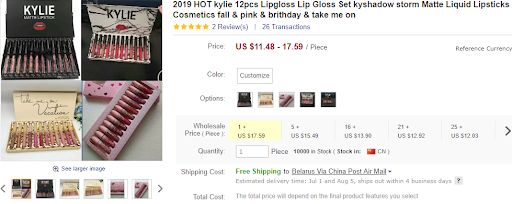
Sometimes it’s easier to offer specific package deals. Instead of complicated tiers, you create attractive product bundles:
- Single shirt: $25
- 3-pack: $60 (that’s $20 each)
- 5-pack: $90 (that’s $18 each)
This works great for products that naturally go together or items people use regularly. The customer knows exactly what they’re getting and how much they’re saving.
Tiered Discounts (Percentage-Based Volume Discounts)
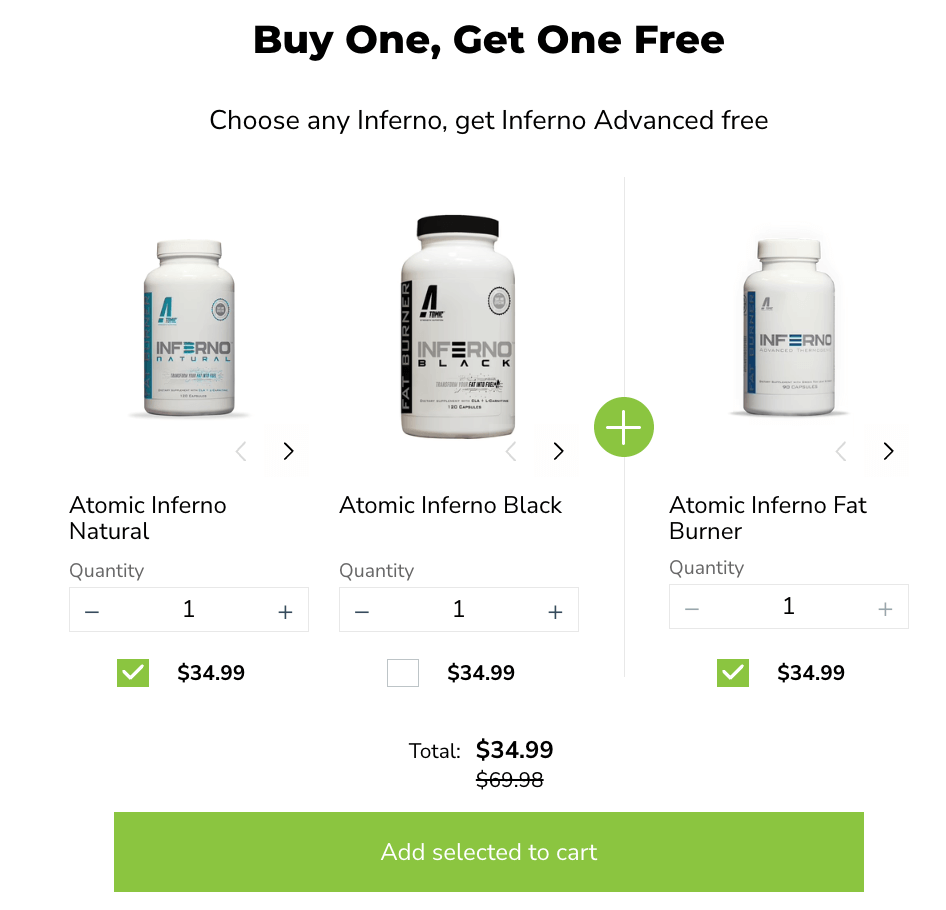
Rather than setting new prices, you can offer percentage discounts:
- Buy the first 10 bags: $1.00 each
- Next 10 bags(11-50): $0.90 each
- Beyond 50 bags: $0.80 each
This approach scales well if you have products at different price points. Tiered pricing shows lower prices upfront. Tiered discounts apply savings at checkout. Same result, buy more, pay less per item.
How To Measure the Effectiveness of Volume Discounts
Setting up volume discounts is just the start. You need to know if they’re actually working.
Key numbers to watch:
- Average Order Value (AOV): Are customers spending more per order?
- Customer Lifetime Value (CLTV): Are they coming back to buy again?
- Conversion Rates: Are more visitors turning into buyers?
- Profit Margins: Are you still making money after discounts?
- Product Performance: Which items sell better with volume pricing?
Break down your data by:
- Discount tier (which levels get used most?)
- Product category (what sells best in bulk?)
- Customer type (new buyers vs. repeat customers)
- Time of year (do discounts work better in certain seasons?)
Many tools help you see how customers respond to your discounts. Check the data regularly, listen to customer feedback, and adjust your pricing when something isn’t working.
The goal is simple: more sales, happy customers, and healthy profits. If your numbers show all three, your volume discounts are doing their job.
Benefits of Volume Discount
Volume pricing strategy isn’t just about moving more products – it creates real benefits for your business:
Higher Average Order Values
This is the big one. When customers see that they can save money by buying more, they often add extra items to their cart. Someone planning to buy 2 items might grab a third to hit the discount threshold.
Studies show that well-designed volume discounts can boost average order values by 20-40%. That’s serious money over time.
Faster Inventory Turnover
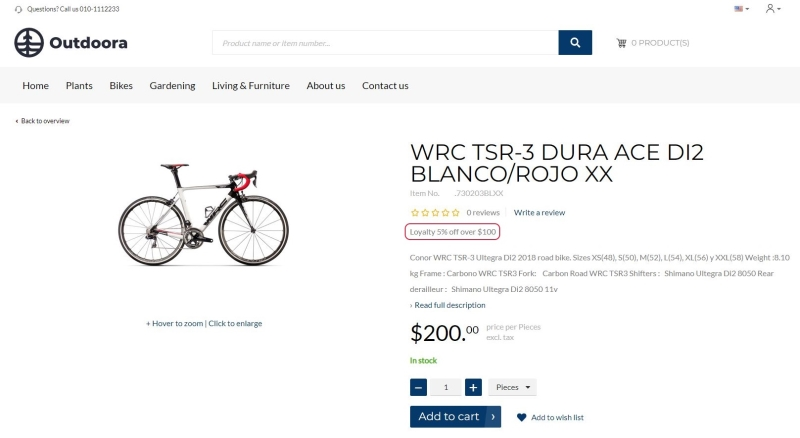
Got products sitting in your warehouse? Volume discounts help move them faster. Instead of selling one item at a time, you’re moving 3, 5, or 10 pieces in single orders.
This is especially useful for:
- Seasonal items that need to be cleared
- Overstocked products
- Items with expiration dates
Better Customer Satisfaction
People love feeling like they got a good deal. Volume discounts tap into this psychology – customers feel smart for “saving money” even though they’re spending more.
Happy customers often become repeat customers. When someone gets a great bulk deal from your store, they’re more likely to come back next time they need something.
Competitive Advantage
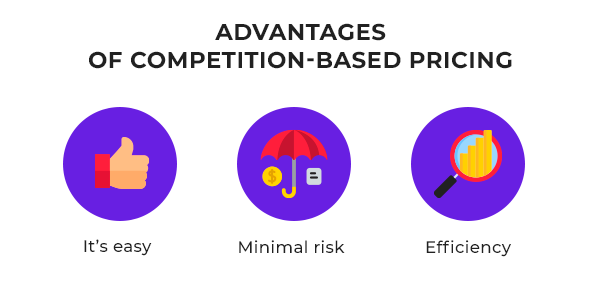
If your competitors sell similar products at similar prices, volume discounts can be the thing that tips customers toward your store. “Store A charges $20 each, but Store B offers 3 for $50” – guess where the customer goes?
Common Issues of Volume Discount
Volume discounts aren’t perfect. Here are the potential downsides and how to avoid them:
Profit Margin Pressure
The obvious risk – you’re making less money per item when you discount. If you’re not careful, you could end up selling more but earning less profit.
Solution: Do the math before setting discounts. Calculate your costs and make sure the increased volume covers the reduced margin. Start with smaller discounts (5-10%) and test the response.
Customer Expectations

Once customers know about your volume deals, they might wait for discounts instead of buying at regular prices. This can actually hurt your non-promotional sales.
Solution: Don’t make volume discounts your only strategy. Use them strategically – maybe as limited-time offers or for specific product categories.
Operational Complexity
Managing multiple discount tiers can get complicated, especially if you’re doing it manually. Customers might get confused about how the pricing works.
Solution: Keep it simple, especially when starting out. Use clear language and consider Shopify apps that handle complex pricing automatically.
Brand Perception Issues
If you discount too heavily or too often, customers might start questioning your product quality. “Why is this so cheap? Is something wrong with it?”
Solution: Position discounts as special offers or bulk convenience, not desperation moves. Maintain your regular pricing most of the time.
Volume Discount Pricing Real Life Examples
Volume discounts are everywhere in daily life. Whenever you pay less because you’re buying more, that’s volume pricing at work. Here are real examples you’ve probably seen:
Staples
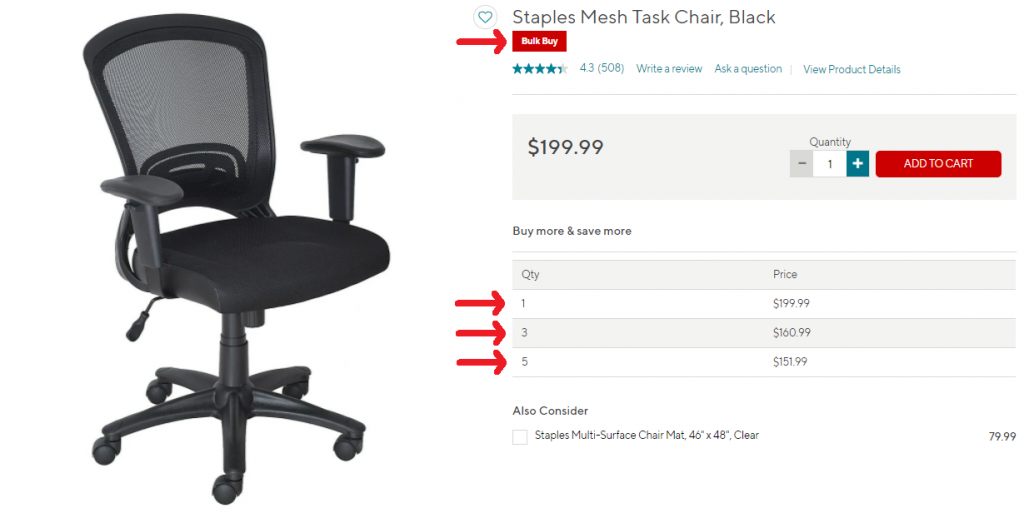
Walk into Staples for one ream of paper, you pay full price. But offices don’t buy one ream-they buy dozens. Staples knows this. Buy 5 reams, save a little. Buy 20 reams, save a lot more per ream. The discount grows as your order grows. It’s why office managers place big orders once a month instead of small orders every week.
Alibaba
Alibaba connects businesses with manufacturers, mostly in China. Suppliers there live on volume. Order 10 phone cases, you might pay $5 each. Order 100, that drops to $3 each. Order 1,000, maybe $1.50 each. The math is simple-factories save money by producing in bulk, so they pass some savings to you. That’s why small Shopify sellers source from Alibaba to keep product costs low.
Amazon Business
Amazon knows businesses need supplies regularly. So they reward bulk buyers. Order 10 units of something, you get 5% off. Order 50 units, that jumps to 10% off. It’s Amazon’s way of saying “buy more from us, and we’ll make it worth your while.” Small businesses love this because it cuts costs on things they’d buy anyway-pens, printer paper, cleaning supplies.
Coca-Cola
Ever wonder how corner stores afford to sell Coke? Volume discounts. A small shop buying 50 cases pays one price per case. A big retailer buying 100 cases pays less per case. Buy 500 cases, even cheaper. Coca-Cola wants their products everywhere, so they make it profitable for stores to stock more. The more you commit to buying, the better deal you get.
Grainger
Grainger sells industrial tools and equipment to factories, construction companies, and maintenance teams. They offer volume discounts that reward loyalty. Order more over time, and your account gets better pricing. It’s not just about one big order-it’s about building a long-term relationship that benefits both sides.
Uline
Uline ships boxes, tape, and packaging materials to businesses everywhere. Their volume discounts are straightforward-buy more boxes, pay less per box. They show exact tier breakdowns on their website, so customers know exactly what they’ll save at each level. No hidden math. No surprises.
The Easiest Way to Add Volume Discount
You’ve learned how volume discounts work. Now the question is-how do you actually set them up without spending hours on manual calculations?
That’s where most store owners get stuck. Spreadsheets for tracking tiers. Manual price updates. Confused customers who don’t see the discount at checkout. It becomes a mess fast.
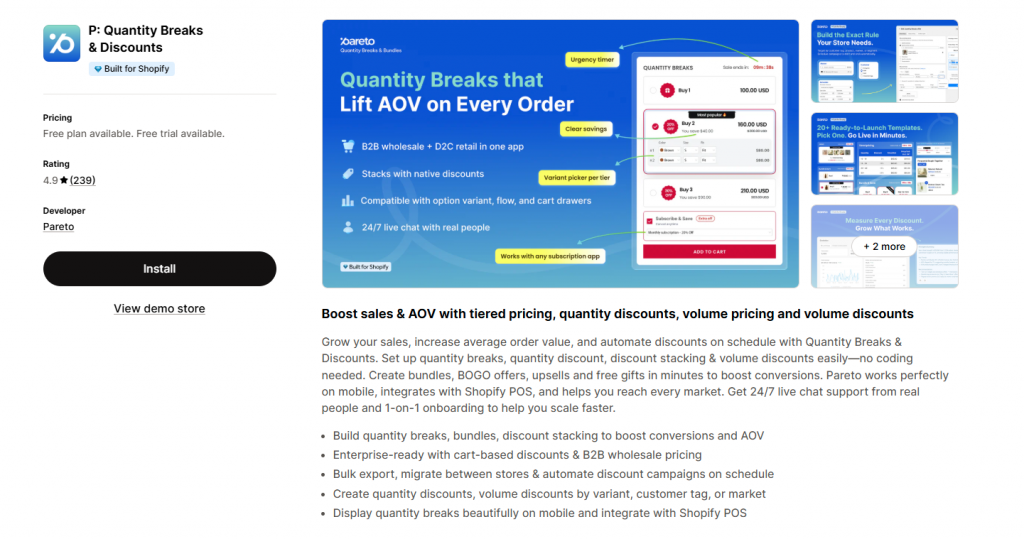
P: Quantity Breaks & Discounts by Pareto AOV solves this.
What makes it worth trying:
- Quantity breaks in minutes: Set up “Buy 3, save 10%” or “Buy 10, save 25%” deals without touching code
- Works everywhere: Looks great on mobile, integrates with Shopify POS for in-store sales, and supports multiple markets
- Flexible discount rules: Apply discounts by product variant, customer tag, or specific market-perfect for B2B wholesale pricing
- Bundles and upsells built in: Create BOGO offers, free gifts, and product bundles alongside your volume discounts
- Schedule campaigns: Set discounts to start and end automatically-great for flash sales or seasonal promotions
- Easy migration: Bulk export settings and move between stores without starting from scratch
Have a physical store too? The app integrates with Shopify POS, so your in-store volume discounts match your online pricing. Customers get the same deals whether they shop online or walk through your door.
Setup takes about 10 minutes. If you get stuck, real humans answer your questions 24/7-not bots.
Start with a simple quantity break on one product. Watch how customers respond. Then expand from there.
Volume Discount FAQs
How to calculate volume discounts?
Set your price tiers first. For example: 1–99 units at $10 each, 100–499 units at $9 each, 500+ units at $8 each. Then multiply the tier price by the quantity ordered. To show savings: (Regular price − Discounted price) × Quantity.
Are volume discounts the same as bulk pricing?
Yes. Both mean “buy more, pay less per item.” Some people use “bulk pricing” for one-time large orders and “volume discounts” for ongoing purchases. But in practice, they work the same way.
Can volume discounts hurt profit margins?
Yes, if you set them wrong. Discounting too much on small orders eats into profits. The fix: calculate your costs first, then set discount tiers that still leave healthy margins. Done right, volume discounts increase total profit-even if you earn less per item.
What are the 4 types of pricing strategies?
- Cost-based: Price = cost + markup
- Value-based: Price based on what customers think it’s worth
- Competition-based: Price set by looking at competitor prices
- Penetration/skimming: Start low to gain customers, or start high then drop over time
How do you give volume discounts?
Typical steps to implement:
- Define goals: move more volume, lock in long‑term contracts, win big accounts, etc.
- Set thresholds that still keep your gross margin healthy (often based on cost, capacity, and customer LTV).
- Choose a structure: all‑units vs tiered vs annual/contract volume.
- Communicate clearly: show price breaks on price lists, quotes, or in-app pricing tables.
- Automate: configure rules in your billing system/ERP so discounts are calculated consistently.
Are volume discounts legal?
Yes, in most places. Problems only arise when discounts unfairly block competitors or discriminate between customers in regulated industries. Large companies or regulated sectors should get legal advice.
What is the difference between a rebate and a volume discount?
Here are the key differences between a rebate and a volume discount:
- Timing:
- Volume discount: price reduction is applied upfront on the invoice.
- Rebate: customer pays normal or partially discounted price now, then receives money/credit later if they meet volume targets.
- Certainty:
- Volume discount: customer gets the benefit immediately on that specific order.
- Rebate: benefit is contingent on cumulative performance over a period (e.g., quarter or year).
- Cash flow:
- Volume discount: reduces your immediate revenue per order.
- Rebate: preserves invoice value now but reduces revenue later when rebates are paid.
Rebates are often used for annual volume commitments with distributors or large resellers, while simple volume discounts are common for everyday price breaks on bulk orders.
The Bottom Line
Volume discount pricing is a powerful tool that can transform your Shopify store when implemented thoughtfully. Start small, test what works for your products, and always monitor your profit margins alongside sales growth. The best volume discounts create win-win scenarios: customers feel smart about their savings, and you enjoy higher order values. When you find that perfect balance between compelling customer offers and healthy profits, you’ve unlocked a strategy that can fuel long-term growth. Done right, they’re one of retail’s most satisfying victories – everyone walks away happy.